
 The Gut-Brain Connection: How Nutritional Psychology Can Transform Your Mental Health
By: Lisa C. Watson, PsyD, MPH
Clinical Psychologist
Introduction: Have you ever heard the saying, “You are what you eat?” In recent years, this age-old adage has taken on a new level of significance thanks to a fascinating field called Nutritional Psychology. Nutritional psychology explores how our diet impacts mental health, shedding light on the deep connection between our brain and gut. From serotonin and dopamine production to the diversity of our gut microbiome, this field uncovers how what we eat can either uplift or harm our mental well-being. Ready to learn how you can transform your health through food? Let’s dive in.
What is Nutritional Psychology?
Nutritional psychology is a growing field that examines how our diet affects mental health. While we’ve always known that a healthy diet promotes physical well-being, researchers now realize that it also plays a key role in our emotional and psychological state. Simply put, what you eat can either boost your mental clarity and mood or contribute to anxiety, depression, and stress.
The science is clear: our gut and brain are in constant communication. The gut is often referred to as the “second brain” because it produces many of the same neurotransmitters that influence your thoughts and feelings. And the food you eat has a direct impact on how your brain functions.
Gut Health and Mental Health: The Powerful Connection
Did you know that the gut produces about 90% of serotonin and 50% of dopamine, the two key neurotransmitters responsible for regulating mood and emotion?
- Serotonin, commonly known as the “feel-good” hormone, helps to regulate mood, sleep, and appetite. Low serotonin levels have been linked to conditions like anxiety and depression.
- Dopamine is a reward neurotransmitter that’s essential for motivation, pleasure, and emotional regulation. It is often called the “motivation molecule.”
When your gut is functioning optimally, it supports the production of these critical chemicals. However, an unhealthy gut—whether due to poor diet, stress, or illness—can disrupt this process, leading to imbalances that contribute to mood swings, fatigue, and even weight gain.
The Gut Microbiome: Your Mood’s Best Friend
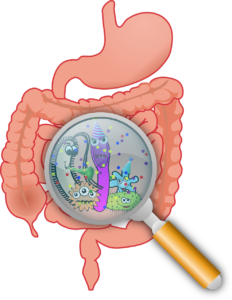
Your gut is home to trillions of bacteria known as the gut microbiome. This diverse community of microorganisms plays a major role in mental health by interacting with neurotransmitters like serotonin and dopamine. The more diverse your gut microbiome, the better equipped you are to fight off mood disorders such as anxiety, depression, and chronic stress.
A diverse gut microbiome also helps maintain a healthy weight. Studies have shown that individuals with a more varied range of gut bacteria tend to have healthier metabolisms and body weight regulation. So, improving your gut health could not only stabilize your mood but also contribute to weight loss or maintenance.
How Diet Influences the Gut-Brain Connection
The foods you consume directly impact the balance of bacteria in your gut. Diets high in processed foods, sugar, and unhealthy fats create an environment that fosters the growth of harmful bacteria, leading to inflammation. Inflammation is a significant factor in the development of many mental health conditions, including depression.
On the other hand, a diet rich in whole foods—think fruits, vegetables, whole grains, nuts, seeds, and lean proteins—promotes the growth of beneficial bacteria. These foods contain essential nutrients like fiber, omega-3 fatty acids, and antioxidants, which support a healthy gut microbiome and, by extension, a balanced mental state.
The Role of Physical Exercise
Alongside a balanced diet, physical exercise plays an essential role in maintaining both gut and brain health. Regular exercise stimulates the production of beneficial gut bacteria and increases serotonin levels, helping to enhance your mood, reduce stress, and combat symptoms of depression. Exercise also improves blood flow to the brain, which can improve cognitive function and mental clarity.
Small Changes That Make a Big Difference
You don’t need to overhaul your entire life to start benefiting from nutritional psychology. Simple changes to your diet and lifestyle can make a substantial difference. Here are some tips to get started:
- Incorporate More Fiber
Foods rich in fiber, such as fruits, vegetables, and whole grains, promote the growth of healthy gut bacteria. Start by adding more berries, leafy greens, and oats to your diet. - Add Fermented Foods
Fermented foods like yogurt, kefir, sauerkraut, and kimchi are rich in probiotics, which enhance gut diversity. Try adding a serving of fermented food to your meals a few times a week. - Reduce Processed Foods and Sugar
These are known to fuel inflammation and harm gut health. Replace sugary snacks with nuts, seeds, or fresh fruit. - Stay Hydrated
Drinking enough water supports digestion and overall gut health. Aim for at least 8 cups of water a day to help your gut bacteria thrive. - Exercise Regularly
Aim for 30 minutes of physical activity most days of the week. This could be a brisk walk, yoga, or even dancing. Physical activity helps the gut produce more beneficial bacteria and regulates your mood. - Focus on Omega-3 Fatty Acids
Omega-3s, found in fatty fish like salmon, flaxseeds, and walnuts, are known for their anti-inflammatory properties and their role in boosting mental health. - Get Enough Sleep
Your gut microbiome has its own circadian rhythm, and lack of sleep can disturb its balance. Aim for 7-9 hours of quality sleep each night to support mental and physical health.
Conclusion: The connection between your gut and brain is far more powerful than you might think. Nutritional psychology is unlocking the secrets of how our diet, gut health, and mental well-being are interconnected. By making simple changes to your diet, incorporating regular physical activity, and taking care of your gut, you can experience improvements in mood, mental clarity, and overall well-being. Start with small steps, and over time, you’ll feel the benefits that come from nourishing your body and mind from the inside out.
By embracing nutritional psychology, you’re not just feeding your body—you’re fueling your mind, too.
Keywords:
- Nutritional psychology
- Gut-brain connection
- Gut health and mental health
- Serotonin and dopamine
- Diverse gut microbiome
- Mental health tips
- Gut microbiota and mood
- Nutrition and mental health
Graphics Recommendations:
- Gut-Brain Axis Diagram – Illustrate the connection between the gut and brain to show how they communicate via the nervous system and chemicals like serotonin and dopamine.
- Serotonin and Dopamine Production in the Gut – A graphic showing the production of serotonin and dopamine in the gut and how they impact mood.
- Diverse Microbiome Visual – A colorful illustration of different types of gut bacteria and how they contribute to mental and physical health.
- Healthy Food Plate – A visual showcasing a plate filled with whole foods (fruits, vegetables, whole grains) and fermented foods to emphasize gut-healthy eating.
- Exercise and Mental Health – A flowchart or infographic showing the link between physical exercise, gut health, and mental health.